Blazer vs Suit Jacket vs Sport Coat: What Is the Difference?
A suit jacket belongs to matching trousers. A blazer and a sport coat are designed to stand alone, but the modern boundary between those two is less exact. Use this practical comparison to choose the right jacket.
Retailers do not use blazer and sport coat consistently. This guide focuses on how the garment was designed to be worn, not only the name on its label.
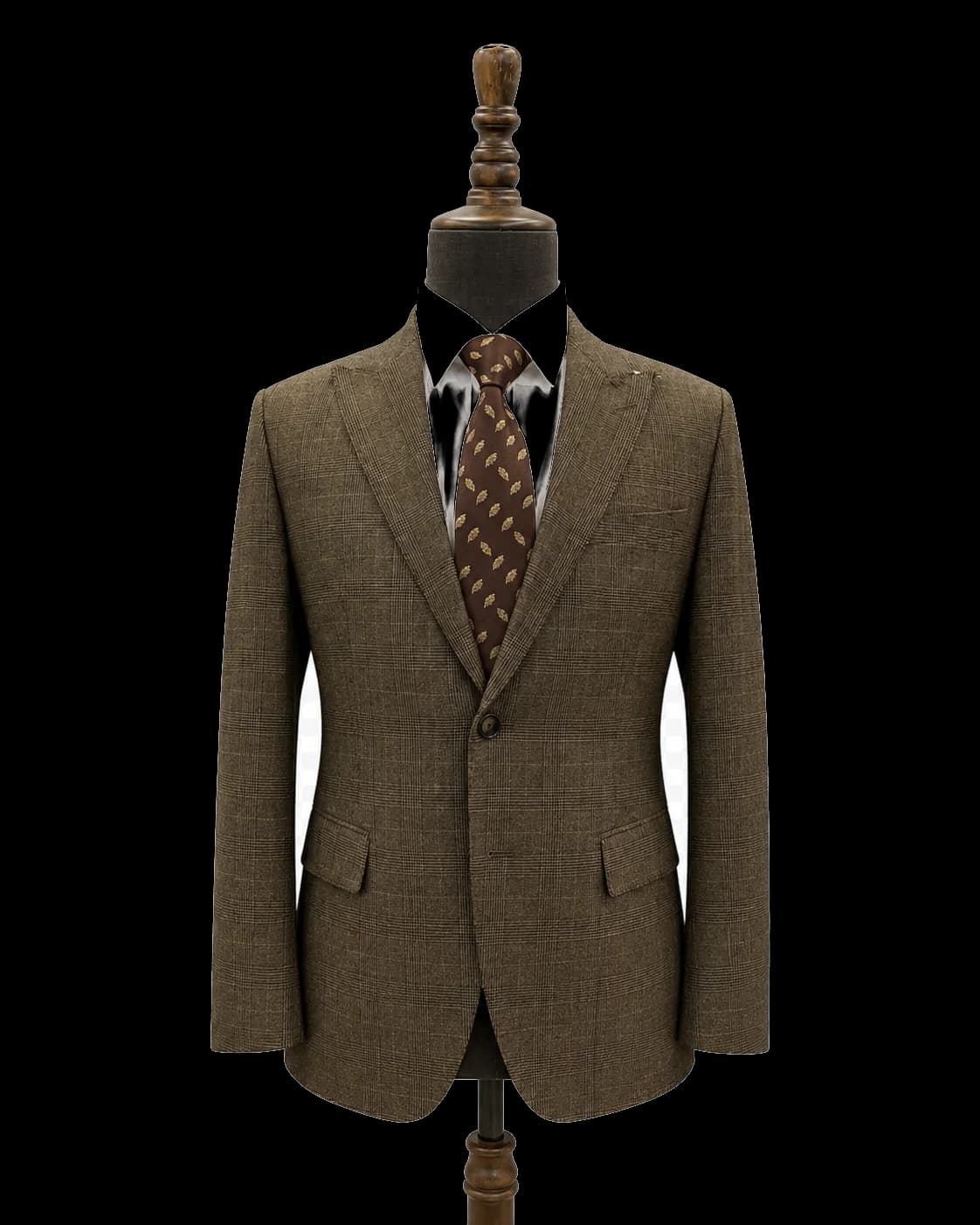
The short answer
Start with the matching-trouser test
- Suit jacket
- Part of a matching suit, made from the same cloth as its trousers.
- Blazer
- A standalone jacket, traditionally solid navy with distinctive buttons, although modern use is broader.
- Sport coat
- A standalone jacket that often uses more texture, pattern, or relaxed construction.
- Best first question
- Is there a matching trouser made from exactly the same cloth? If yes, it is probably a suit jacket.
Need a fitting plan?
Share your travel dates and garment idea before you visit.
The difference in one sentence
A suit jacket was designed with matching trousers. A sport coat was designed to be worn with different trousers. A blazer is traditionally a more specific kind of standalone jacket, often solid navy and sometimes finished with metal or contrasting buttons, but modern shops use the word blazer for many separate jackets.
That is why the label alone is not enough. Start with the matching-trouser question, then use cloth, texture, buttons, pockets, and structure as supporting clues. These details are common patterns, not laws.
Blazer vs suit jacket vs sport coat at a glance
The clearest comparison is based on design intent. A jacket can break one or two traditional rules and still belong to its original category.
| Feature | Suit jacket | Blazer | Sport coat |
|---|---|---|---|
| Core identity | One half of a matching suit | A standalone jacket, traditionally solid-coloured | A standalone jacket designed for mixed trousers |
| Typical cloth | Smooth worsted wool or formal suiting | Navy hopsack, serge, flannel, or other solid cloth | Tweed, flannel, linen, cotton, corduroy, or textured wool |
| Common details | Tonal buttons; flap or jetted pockets | Contrasting or metal buttons; patch or flap pockets | Horn or corozo buttons; patch pockets are common |
| Formality | Usually the most formal | Usually between a suit and a casual jacket | Ranges widely, but often the most relaxed |
| Best use | Formal business, ceremonies, and matched dressing | Business casual, dinners, and versatile travel | Seasonal texture, smart casual, and relaxed tailoring |
What makes a suit jacket a suit jacket
A suit jacket belongs to trousers cut from the same cloth. That remains true when a retailer sells the jacket and trousers separately as suit separates. Separate pricing does not turn the jacket into a sport coat.
Suit cloth is often smoother, finer, and more uniform than odd-jacket cloth because the jacket and trousers are meant to create one continuous formal line. Navy and charcoal worsted wool, pinstripes, chalk stripes, and small business patterns usually look incomplete when the matching trousers disappear.
The suit jacket is the right choice when the occasion expects a coherent set: formal offices, important presentations, ceremonies, weddings, or any dress code that simply says suit. Keep its matching trousers in the plan rather than assuming the jacket will also cover casual weekends.
What makes a blazer a blazer
Traditionally, the classic blazer is a solid navy odd jacket with metal or contrasting buttons. It is smarter and cleaner than many country sport coats but does not have matching trousers. Grey wool trousers, chinos, and other clearly different trousers complete the outfit.
Modern usage is looser. Retailers now call many solid or lightly patterned standalone jackets blazers, with horn buttons, soft shoulders, patch pockets, or seasonal cloth. A blazer does not need gold buttons, and it is not automatically more structured than a sport coat.
For most wardrobes, a textured navy blazer is the safest first separate jacket. Texture helps it look intentional away from matching trousers, while navy works across business casual meetings, conference dinners, travel, and smart weekend use.
What makes a sport coat a sport coat
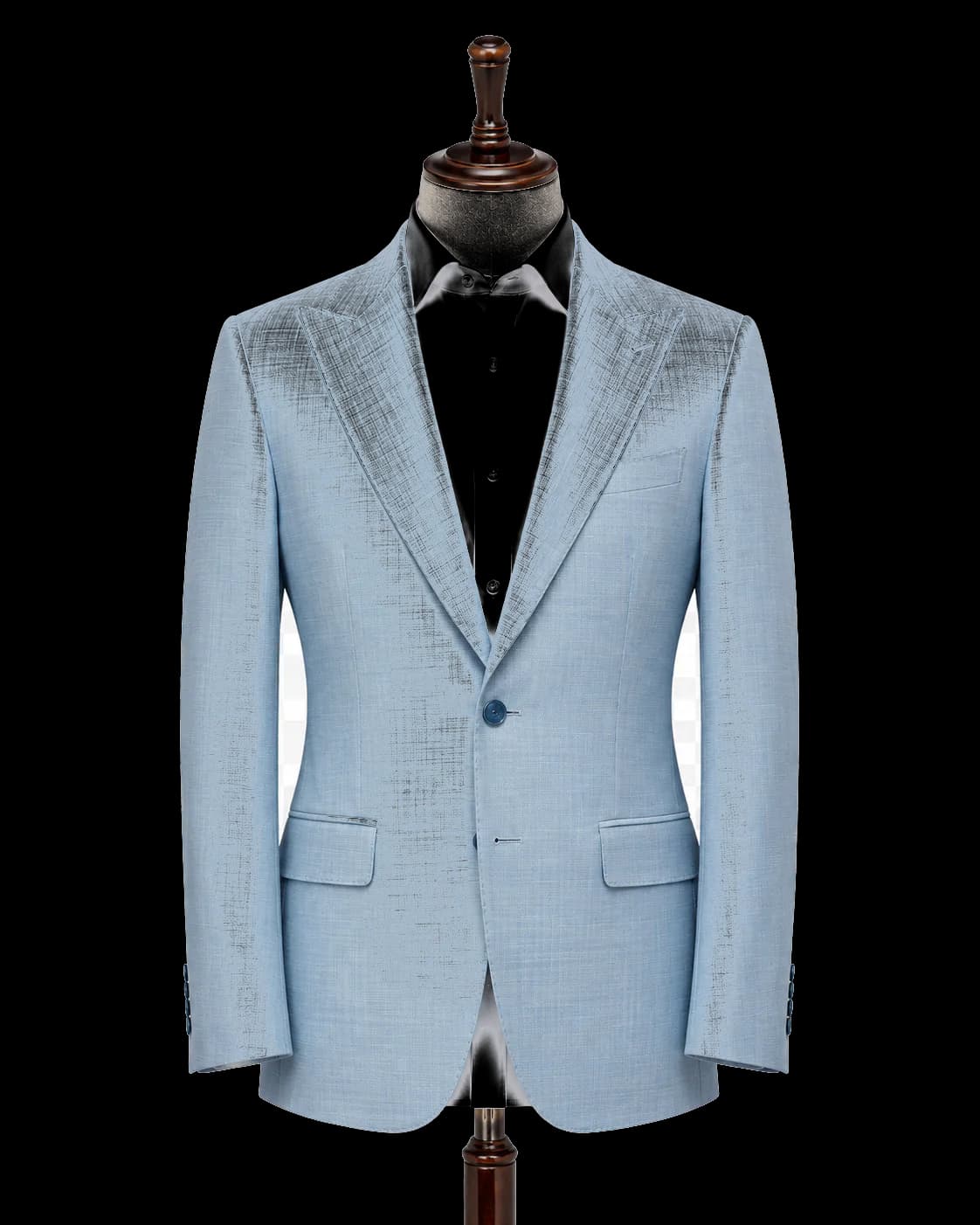
A sport coat is built from the start as an independent jacket. Its roots are in outdoor and country clothing, which explains the traditional use of tweed, checks, herringbone, flannel, corduroy, and other visible textures. Modern sport coats can also be very clean and urban.
Because the jacket does not need to match trousers, the cloth can carry more pattern and surface interest. Softer shoulders, patch pockets, and relaxed construction are common, but none is mandatory. A structured checked jacket can still be a sport coat; an unstructured solid jacket may still be sold as a blazer.
Sport coats are especially useful after the basics are covered. They add seasonal colour and texture to grey flannel trousers, chinos, corduroy, or dark denim without pretending to be a full suit.
Can you wear a suit jacket as a blazer?
Sometimes, but the jacket has to pass convincingly as a standalone piece. The question is not whether the trousers are currently in your wardrobe. It is whether the cloth and design look natural with clearly different trousers.
A suit jacket is more likely to work separately when it uses matte texture, linen, cotton, corduroy, coarse hopsack, a soft shoulder, patch pockets, casual buttons, or a larger relaxed pattern. These are the same qualities that make a sport coat feel complete on its own.
It is less likely to work when it is charcoal or near-black smooth worsted wool, a business pinstripe, strongly padded, highly formal, slightly shiny, or finished with jetted pockets. Pairing that jacket with denim usually produces an obvious orphaned-suit look rather than a deliberate outfit.
- Ask whether matching trousers exist in exactly the same cloth.
- Compare the jacket's texture with the trousers; visible contrast should look intentional.
- Check whether the buttons and pockets support separate wear.
- Judge the whole outfit in daylight, not only the jacket on a hanger.
- If you want a suit that can split into three outfits, choose the cloth for that purpose before it is cut.
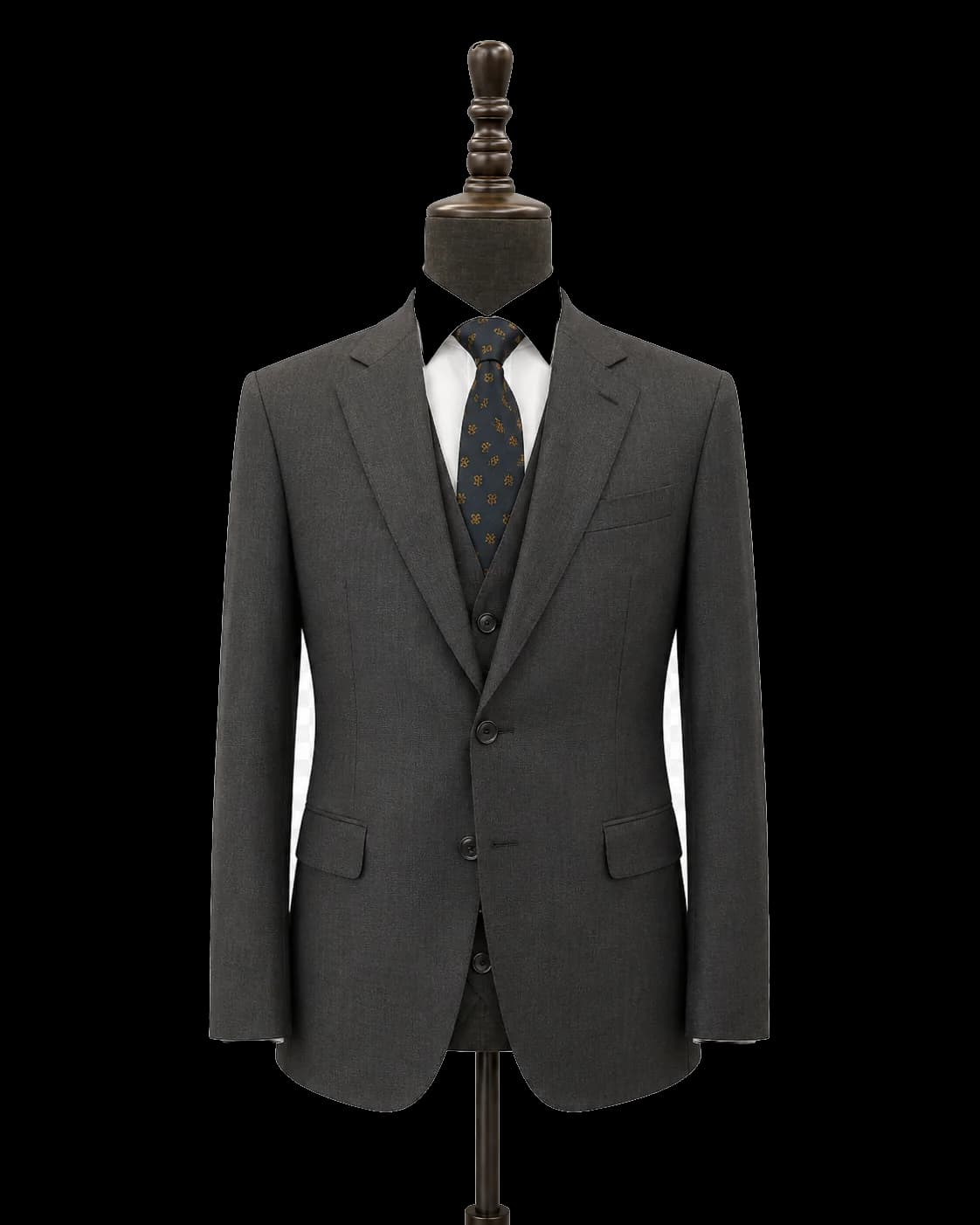
Which one should you choose?
Start with the gap in your wardrobe, not the most interesting jacket in the shop. The three categories solve different problems.
- Choose a suit jacket with matching trousers for formal business, interviews, ceremonies, or a wedding where a complete suit is expected.
- Choose a navy or other restrained blazer for the widest business-casual range and easy travel combinations.
- Choose a sport coat when you already own useful trousers and want texture, pattern, or a more relaxed seasonal layer.
- Choose a deliberately planned three-way suit only when the cloth and details work both as a set and as separates.
- If this is your first tailored jacket, bring photos of the trousers, shirts, and shoes it needs to work with.
Details are clues, not definitions
Metal buttons suggest a traditional blazer; patch pockets and textured cloth suggest a sport coat; smooth cloth and tonal buttons suggest a suit jacket. Yet none of these details can decide the category alone.
The more useful approach is to read the signals together. Cloth tells you how formal and separate the jacket looks. Shoulder and canvas affect structure. Pockets and buttons set the tone. The intended trousers determine whether the result is a suit or an odd jacket.
This also prevents a common buying mistake: adding every casual detail to make a jacket versatile. A loud lining, contrast stitching, unusual buttons, bold checks, and patch pockets on one garment may reduce rather than increase the number of ways you can wear it.
Planning a versatile custom jacket in Shanghai
At Wuyue, the useful first question is where the jacket will be worn: formal office, business casual, conference travel, dinner, wedding, or weekends. From there, cloth, structure, pockets, buttons, and trouser pairings can be chosen as one system.
If you want a blazer or sport coat, bring photos of the trousers you already own. If you want a suit jacket that can also work separately, say so before fabric is selected. A smooth charcoal business suit cannot be turned into a convincing sport coat after the fact by changing buttons alone.
For Shanghai visitors, the existing custom blazer guide covers cloth, timing, and fitting. The broader custom suit service explains when a complete matching suit is the better answer.
Plan a custom blazer in ShanghaiCompare full custom-suit planning
Sources
- GQ - What's the Difference Between a Suit Jacket, a Sport Coat, and a Blazer?Modern definitions, common materials, styling range, and the blurred boundary between blazers and sport coats.
- MR PORTER - Can You Wear Your Suit Jacket On Its Own?Practical tests for whether cloth, texture, pockets, buttons, and structure make a suit jacket suitable as a separate.
- Permanent Style - The Three-Way SuitTailoring analysis of cloths that can, and usually cannot, work as both a full suit and separate jacket and trousers.
- Wuyue Bespoke - Custom Blazer Shanghai GuideWuyue's first-party guidance on custom blazer use, cloth, construction, trouser pairings, and visitor timing.
Plan your visit