Can a Shanghai Tailor Make a Suit from Reference Photos?
Yes, reference photos can guide a Shanghai tailor on silhouette and details, but they cannot replace fabric selection, measurements, posture notes, or a fitting. Here is how to turn images into a useful tailoring brief.
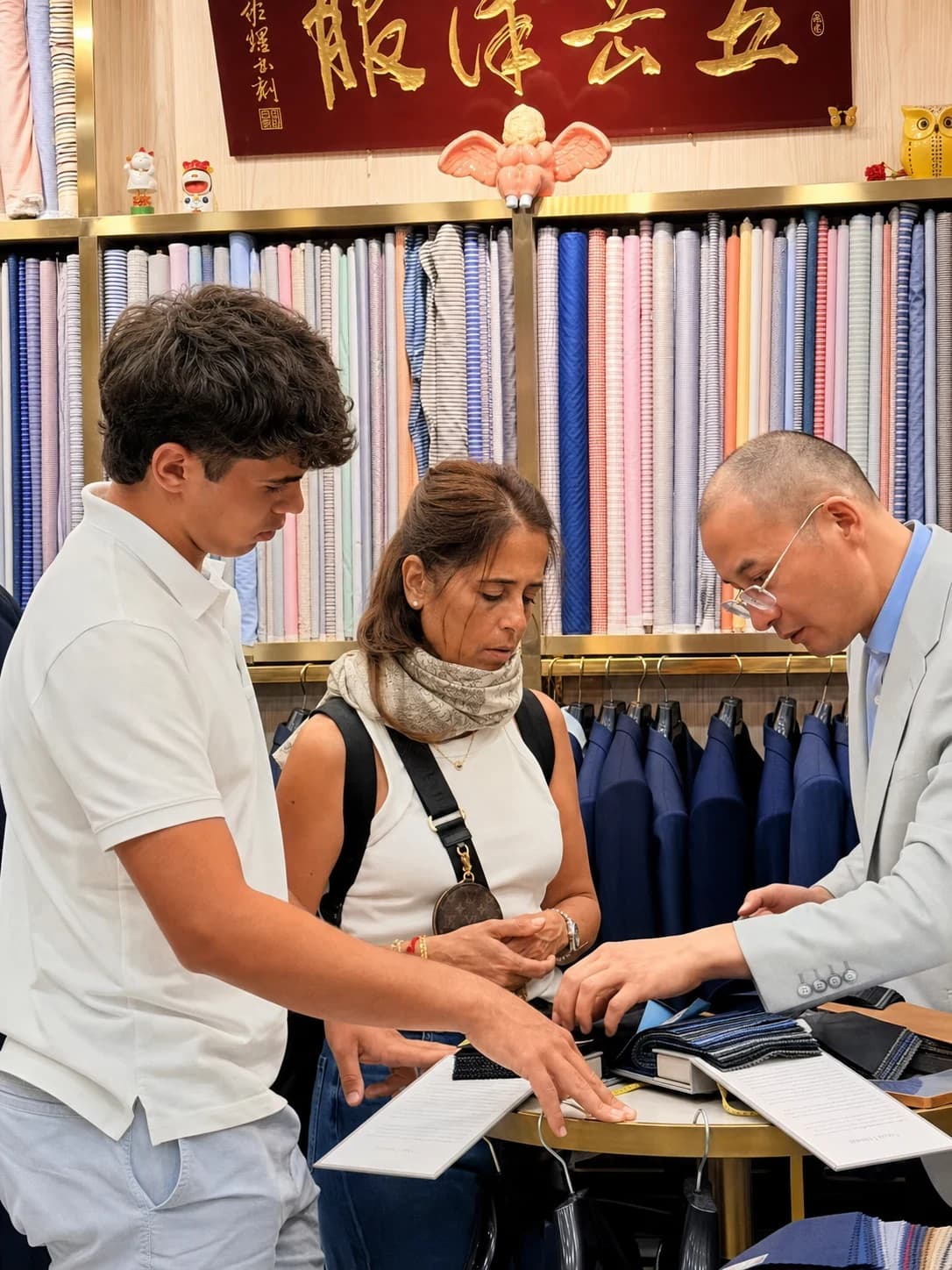
Reference-photo brief
What to send before your appointment
- Main image
- One clear photo that shows the overall silhouette you like.
- Details
- One or two images for lapels, pockets, trousers, collar, or cuffs.
- Context
- Garment use, event date, travel dates, climate, and budget range.
- Limits
- Photos cannot reveal exact cloth, construction, measurements, or hidden details.
Need a fitting plan?
Share your travel dates and garment idea before you visit.
The direct answer: yes, as a design brief
A Shanghai tailor can use reference photos to understand the suit silhouette and visible details you want. Images are useful for lapel shape, buttoning, pockets, jacket length, trouser width, shirt collar, cuffs, and the overall degree of formality.
A photo is not a complete pattern or a guarantee of an exact copy. The finished garment still has to be interpreted for your body, chosen fabric, posture, comfort, occasion, and fitting schedule. The best result is usually a suit inspired by the useful decisions in the photo, not a costume-like duplicate of another person's garment.
What a reference photo can communicate well
Images are strongest when they answer a specific style question. A clear front, side, or back view can help the tailor identify visible choices and explain which ones work together.
- Single- or double-breasted front and button count.
- Notch, peak, or shawl lapels and their approximate width.
- Flap, jetted, ticket, or patch pockets.
- Structured or softer shoulder appearance.
- Jacket length and degree of waist shape.
- Trouser rise, pleats, taper, hem width, and break.
- Shirt collar, cuff, placket, and pocket details.
What the photo cannot tell the tailor
A screen image rarely identifies the exact cloth weight, fiber content, weave, stretch, surface texture, or true color. It also hides internal construction, seam allowances, lining, and many finishing details.
Most importantly, a photograph shows the garment on someone else's body. It does not provide your shoulder slope, posture, arm position, chest shape, trouser rise, or preferred ease. Those decisions require an in-person measurement and fitting process.
Choose one direction, not a crowded moodboard
Bring one main image for the overall direction and one or two supporting images for details. Ten unrelated suits can create conflicting instructions: the lapels from one, the very short jacket from another, wide trousers from a third, and formal cloth from a fourth may not form one coherent garment.
For every image, say what you like and what you do not. 'I like the lapel width but want a longer, less fitted jacket' is much more useful than 'make this.' If the photo shows only the front, ask the tailor to recommend the back, vents, trouser shape, and construction rather than leaving them assumed.
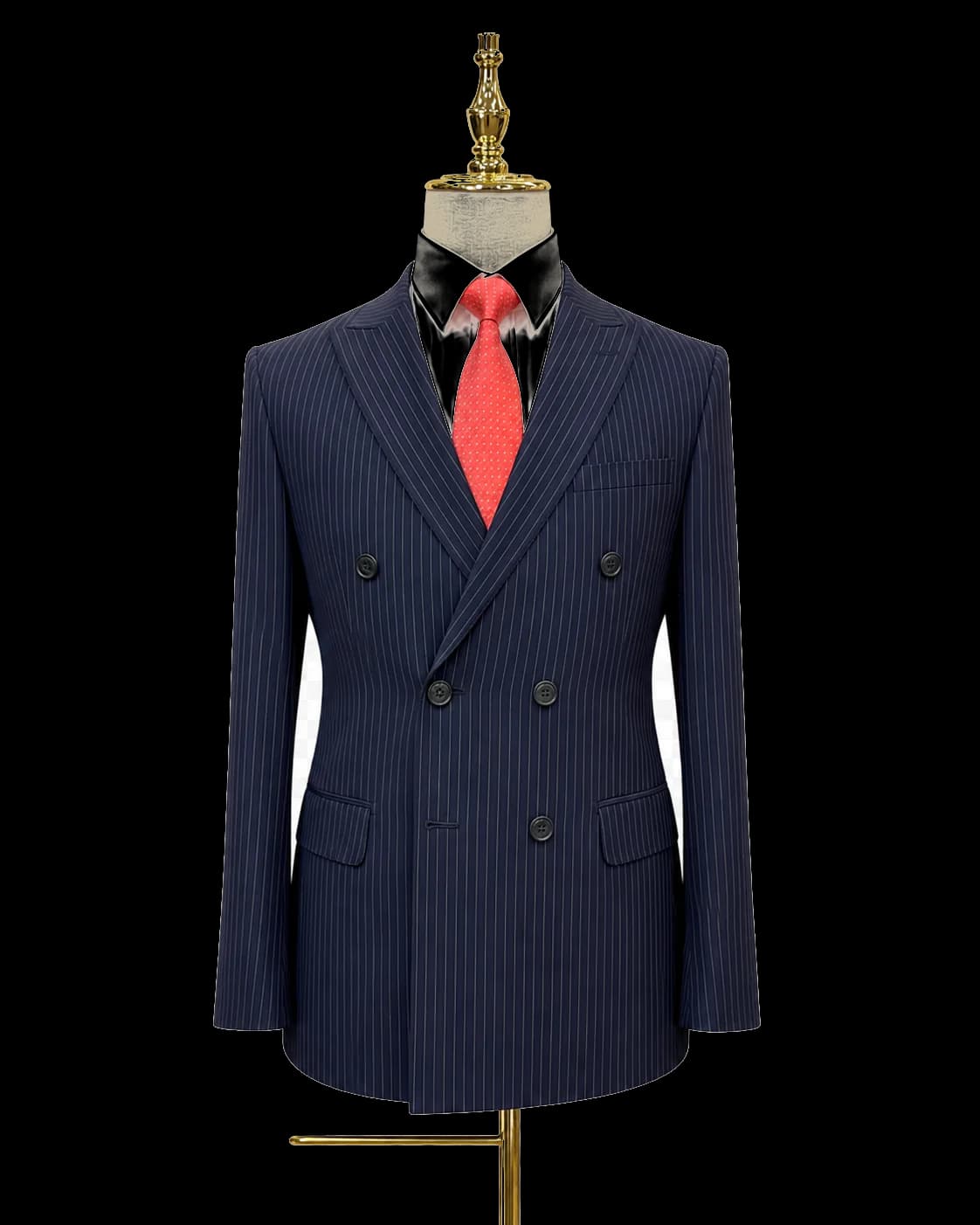
Add the occasion, climate, and travel schedule
The same reference suit may need a different interpretation for a Shanghai summer office, a winter wedding in Europe, frequent flights, or black-tie use. Tell the tailor where and when you will wear it, how formal the setting is, and whether you prioritize breathability, crease recovery, softness, or structure.
Visitors should also share arrival and departure dates. A complex reference with unusual construction, unavailable cloth, or multiple fittings may not fit a short trip. The tailor can simplify the brief, offer an available alternative, or arrange delivery after you leave, but the schedule should be agreed before production.
Let fabric and your body change the interpretation
A design that looks crisp in heavy flannel will not fall the same way in light linen. A very wide lapel, low button stance, cropped jacket, or high-rise trouser may also need proportion changes for your height and build.
This is where tailoring adds value. The useful question is not whether every pixel can be copied, but which features create the effect you like and how those features can be adapted to you. Ask the tailor to explain any change from the image before the order is finalized.
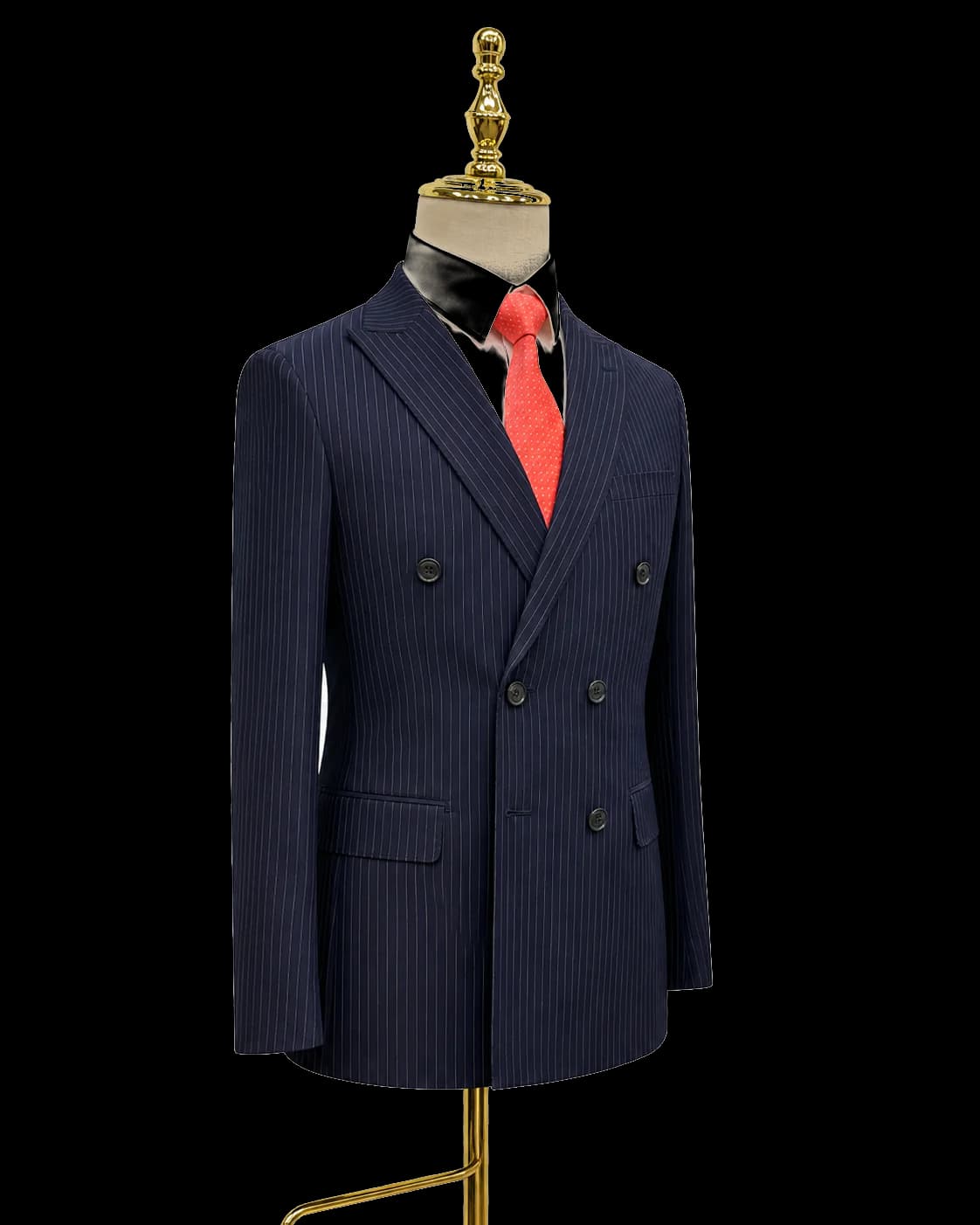
Turn the images into a written order
Before paying a deposit, make sure the agreed choices are recorded: garment, cloth, color, construction approach, lapels, buttons, pockets, vents, lining, trousers, fitting dates, delivery method, and price. Reference photos should support this summary rather than replace it.
Keep the final selected images in the same WeChat or WhatsApp conversation as the order details. That gives both client and tailor a clear point of reference if the brief is revisited during a fitting.
How Wuyue uses reference photos
At Wuyue, visitors can send one to three reference photos before arriving or bring them to Shop 256 at South Bund Fabric Market. We use them to identify the silhouette and details, then compare those ideas with available cloth, the client's measurements, posture, travel schedule, and intended use.
Our current service focuses on suits, shirts, and cashmere overcoats. A reference photo does not extend that service to dresses, skirts, or copied womenswear pieces. For an in-scope garment, send the images with your travel dates and the occasion so we can prepare a more useful first conversation.
Sources
- Shanghai Municipal Government - Inside Shanghai's South Bund MarketOfficial visitor overview of fabric selection, tailoring services, timing, and international delivery at South Bund.
- Wuyue Bespoke - How Tailoring WorksWuyue's current process for consultation, measurement, fitting, and garment planning.
Plan your visit