Is Buying a Custom Suit in Shanghai Worth It? When It Makes Sense
A custom suit in Shanghai can be good value when you have time for a real fitting and know what you are buying. Use this guide to decide whether the trip, process, and delivery plan make sense for you.
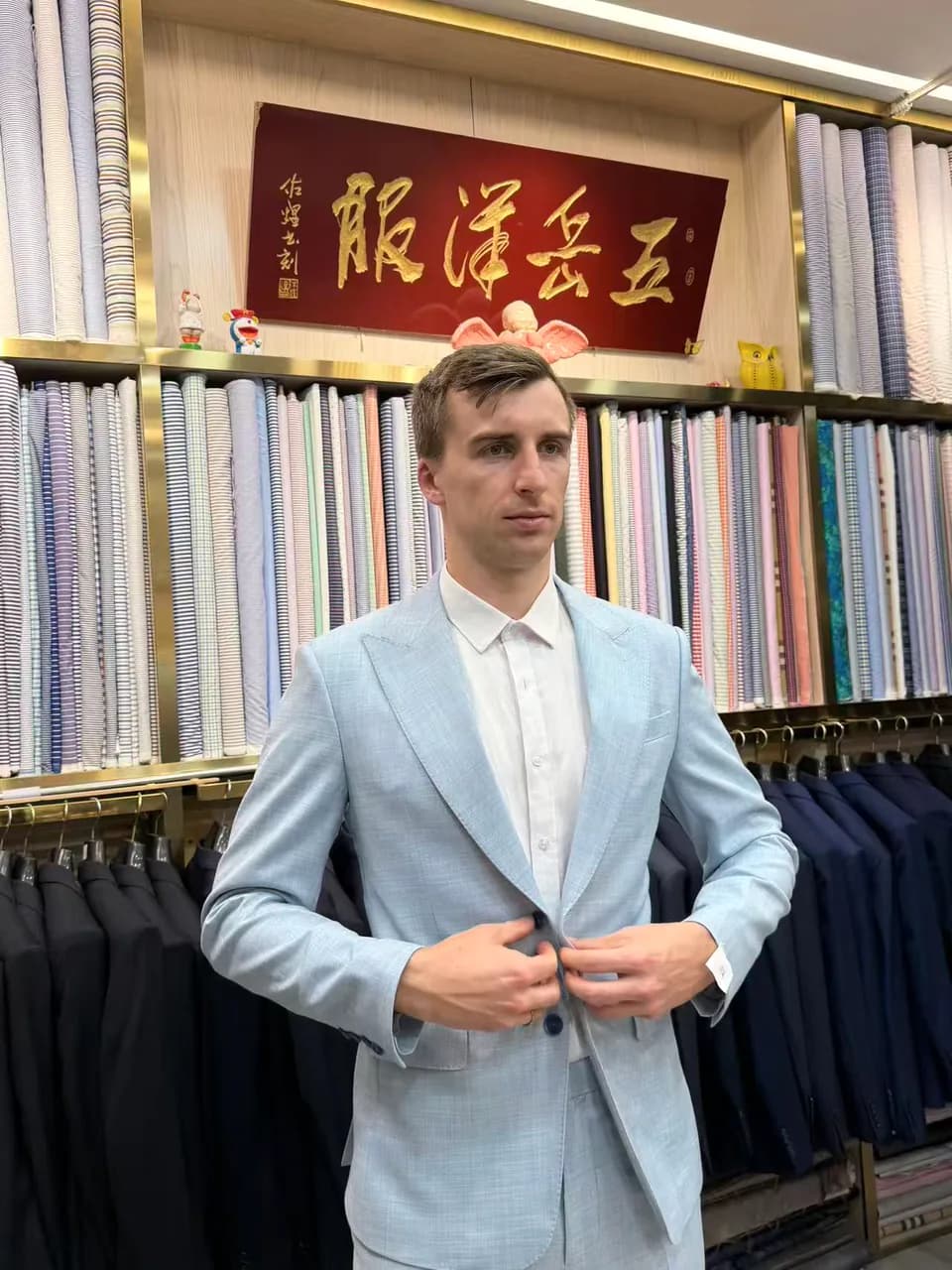
The short decision
When a Shanghai suit is worth considering
- Time
- You can attend at least one meaningful fitting rather than ordering on your final afternoon.
- Purpose
- You know where the suit will be worn and what the garment needs to do.
- Quote
- Fabric, construction, fittings, extras, and delivery are clear before the deposit.
- Backup
- Collection, hotel handoff, or shipping is agreed around your actual departure.
Need a fitting plan?
Share your travel dates and garment idea before you visit.
The short answer: yes, for the right visitor
Buying a custom suit in Shanghai can be worth it if you want a garment made for your body, can attend a proper fitting, and are willing to judge the order by more than the lowest price. Shanghai gives visitors unusual access to fabric, tailoring, and comparison in one trip. That can produce strong value, especially when ready-to-wear jackets never sit correctly or when you need a suit for a specific business or wedding use.
It is not automatically worth it. A rushed order placed on the last afternoon, an unclear fabric description, or a promise that leaves no time for corrections can turn a good price into an expensive inconvenience. The useful question is not whether suits are cheaper in Shanghai. It is whether this particular order has enough time, information, and fitting discipline to succeed.
What you are actually paying for
A custom suit is a group of decisions, not one product pulled from a rack. The quote covers cloth and making, but the result also depends on measurement, posture notes, cutting, construction, pressing, fitting, and the judgment used to connect them.
The parts with the most value are often the least visible at the start: a collar that stays close to the shirt, trousers that remain comfortable when seated, enough room for movement without losing shape, and proportions that work with your height and build. These are the reasons to order custom. A bright lining or a large fabric label cannot compensate for poor balance.
- Fabric chosen for the climate and frequency of wear.
- A silhouette that suits your body and the occasion.
- A fitting that checks the garment in motion, not only in a mirror.
- Clear records of the agreed style, measurements, and changes.
- A collection or shipping plan that still works after corrections.
Who tends to get the most value
Custom tailoring is particularly useful when standard sizing repeatedly creates the same problem. One shoulder may sit lower, jacket sleeves may never reach the right length, trousers may fit the waist but not the seat, or an athletic chest may force you into a jacket that is too loose everywhere else. A fitting gives the tailor a chance to work with those relationships rather than simply choosing a larger or smaller size.
It also makes sense when the suit has a clear job. A frequent flyer may care about wrinkle recovery and trouser comfort. A groom may care more about photography, formality, and how the suit works with a shirt and shoes. A first-time buyer may need one restrained navy or charcoal suit that can cover several situations. The clearer the use, the easier it is to spend money on the parts that matter.
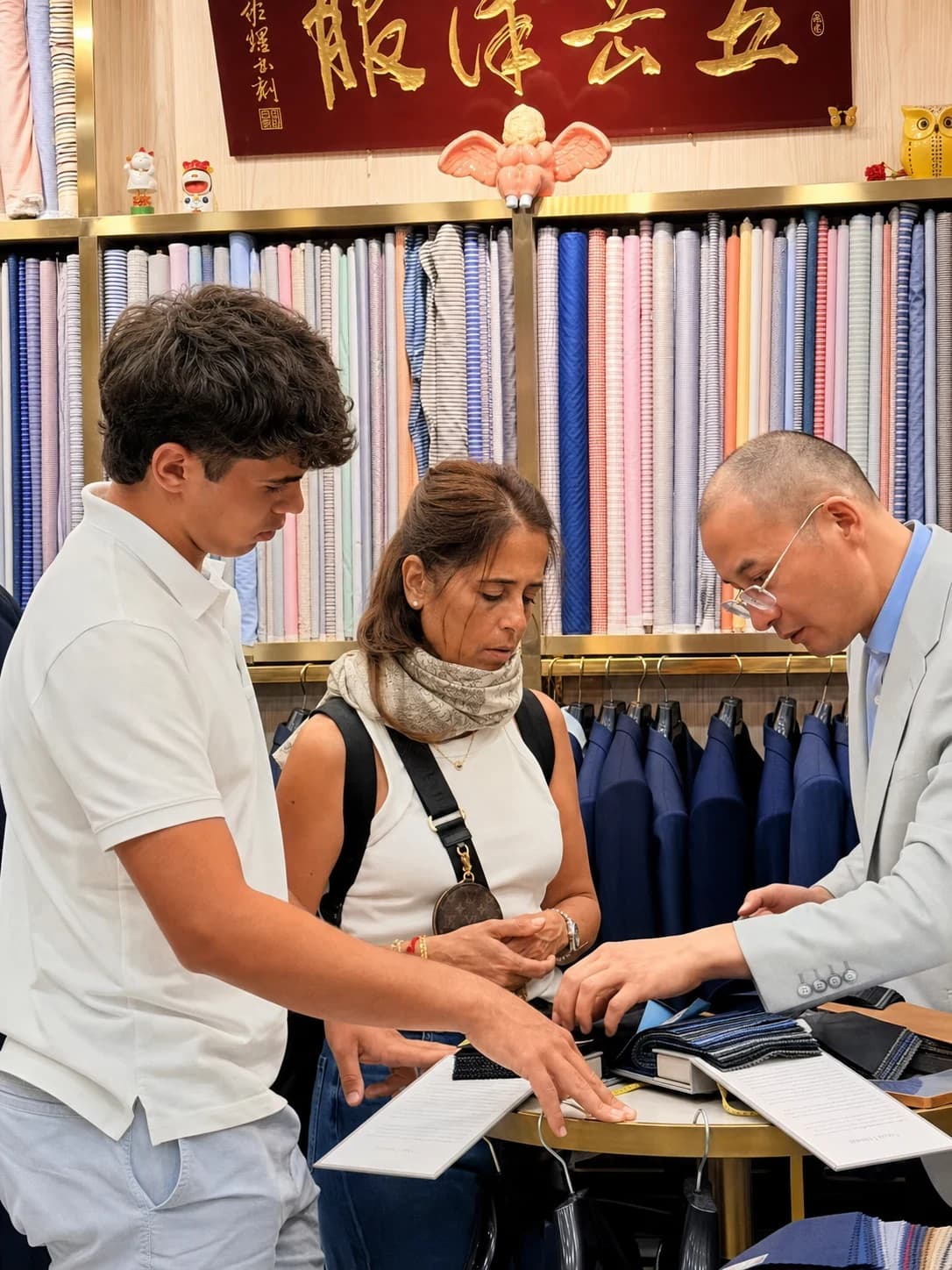
Who should probably skip it
A custom order is a poor match when the only goal is to buy the cheapest possible suit before a flight. It is also risky if you cannot return for a fitting, will not accept shipping, and have a fixed event immediately after leaving Shanghai. A tailor can work quickly in the right circumstances, but speed removes room for correction.
You should also pause if you expect an exact copy from one photograph. A reference image can explain lapels, pockets, length, and mood, but it does not reveal the cloth, internal construction, or how the design should change for your body. Good custom work interprets the idea. It does not trace somebody else's suit onto you.
- You are shopping only by headline price.
- You have no time for a fitting or alteration.
- You cannot explain where or how the suit will be worn.
- You want several suits before testing the first fit.
- The shop will not record fabric, construction, price, and delivery in writing.
Check realistic Shanghai tailoring timelinesSee how reference photos should be used
Judge total cost, not just the suit quote
The quoted garment price is only one part of the decision. Ask whether the amount covers the jacket and trousers you expect, the selected cloth, lining, buttons, construction, fittings, and ordinary adjustments before delivery. Confirm the deposit and balance rather than assuming every shop uses the same payment structure.
Visitors should also account for an extra trouser, shirts, rush work, hotel service, and international shipping if any of those are part of the plan. Shipping is normally quoted separately, and import duties or taxes may be charged by the destination country. If you may need a small local adjustment after delivery, allow for that possibility instead of treating it as impossible.
Compare the main Shanghai suit price factorsPlan shipping after leaving China
Use the first order to test the relationship
For most first-time visitors, one suit is a better test than a five-suit wardrobe. It gives you enough information to judge communication, fit, construction, and after-visit service without multiplying the same unproven pattern across several garments.
If the first suit works, saved measurements and fit preferences can make later orders easier. They remain a starting point rather than a permanent guarantee: body shape, posture, cloth, and style can change. A responsible repeat order checks those changes before production.
Five questions that reveal whether the value is real
You do not need tailoring vocabulary to make a careful decision. Ask direct questions and listen for specific answers. A good explanation should connect the garment to your use, body, and travel dates rather than relying on words such as premium, bespoke, or imported.
- What is the fabric composition, and why does it suit my climate and use?
- What construction am I paying for?
- When will I be measured, fitted, adjusted, and given the finished garment?
- What is included in the quote, and what could cost extra?
- What happens if I leave Shanghai before the suit is ready?
Use the full pre-deposit question list
A practical way to decide
Before visiting, write down the occasion, home climate, departure date, budget range, and the fit problem you most want to solve. Bring one useful reference image rather than a crowded moodboard. At the shop, compare the explanation and process as carefully as the cloth.
If the tailor can explain the fabric, fitting sequence, quote, and delivery plan in plain language, a Shanghai custom suit may offer very good value. If the conversation stays vague while the pressure to pay increases, walk away. The market will still be there after you have had time to think.
How Wuyue approaches the decision
At Wuyue, a visitor order starts with use and timing: what the suit is for, where it will be worn, when the client leaves Shanghai, and whether collection, hotel handoff, or shipping is realistic. Fabric and style decisions follow that plan.
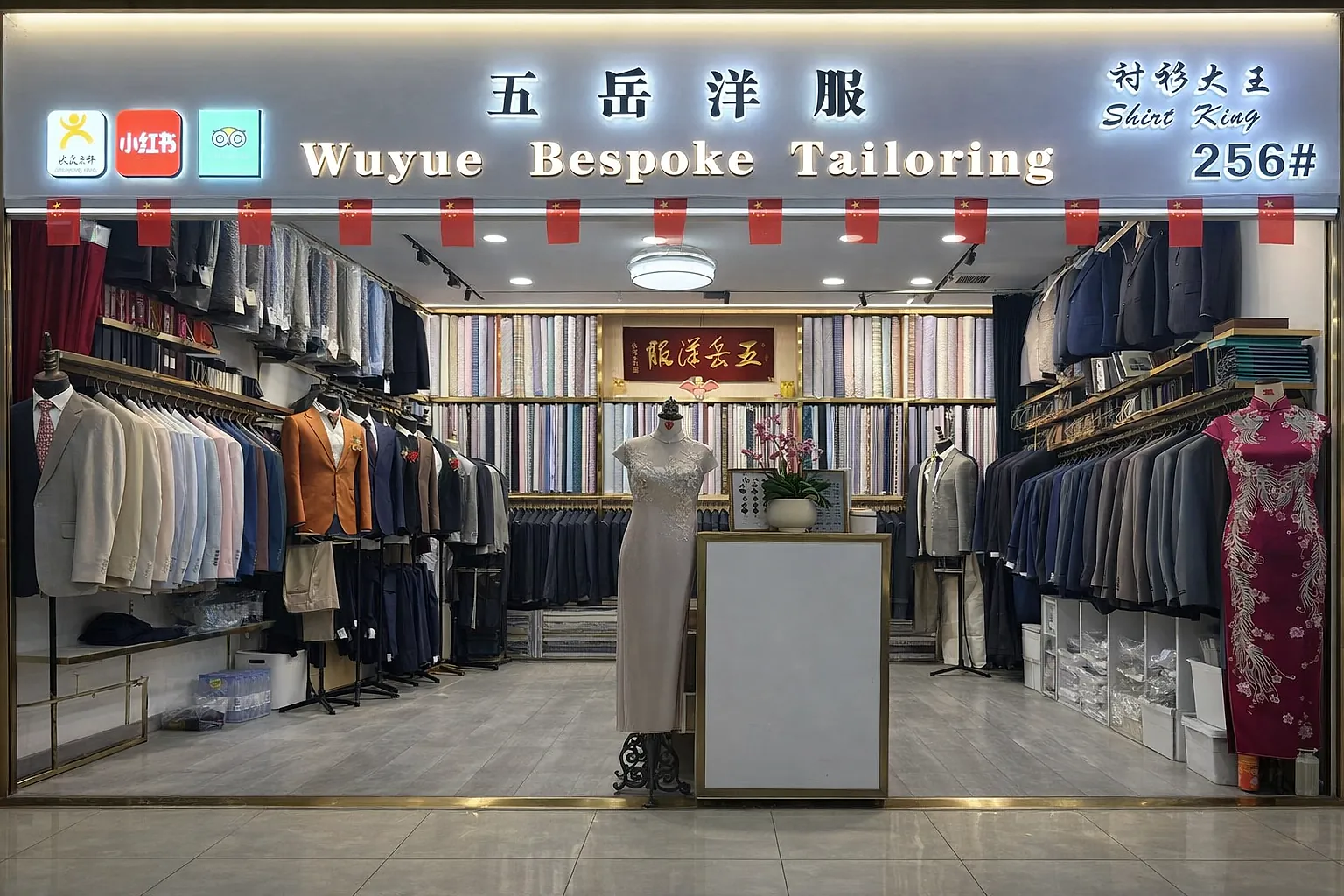
Wuyue is at Shop 256 on the second floor of South Bund Fabric Market. Visitors can contact the shop before arriving with their travel dates, garment idea, and reference images. That first exchange is useful even if the final decision is to wait for a longer trip.
Sources
- Shanghai Municipal Government - Where visitors get clothes madeOfficial visitor information on South Bund tailoring, typical timing, garment categories, and international delivery.
- Meet in Shanghai - Getting Tailor-Made Clothes at SH Fabric MarketShanghai tourism guidance on the market, common garments, price ranges, and visitor preparation.
- Wuyue Bespoke - Shanghai Suit Pricing GuideWuyue's current planning guide for fabric, construction, fittings, extras, and delivery-related price factors.
Plan your visit