What to Bring to a Shanghai Tailor Appointment: A Visitor Checklist
Bring your travel dates, one clear reference, the shoes and shirt you plan to wear, a realistic budget, and notes on what never fits off the rack. This checklist keeps a Shanghai tailoring appointment focused.
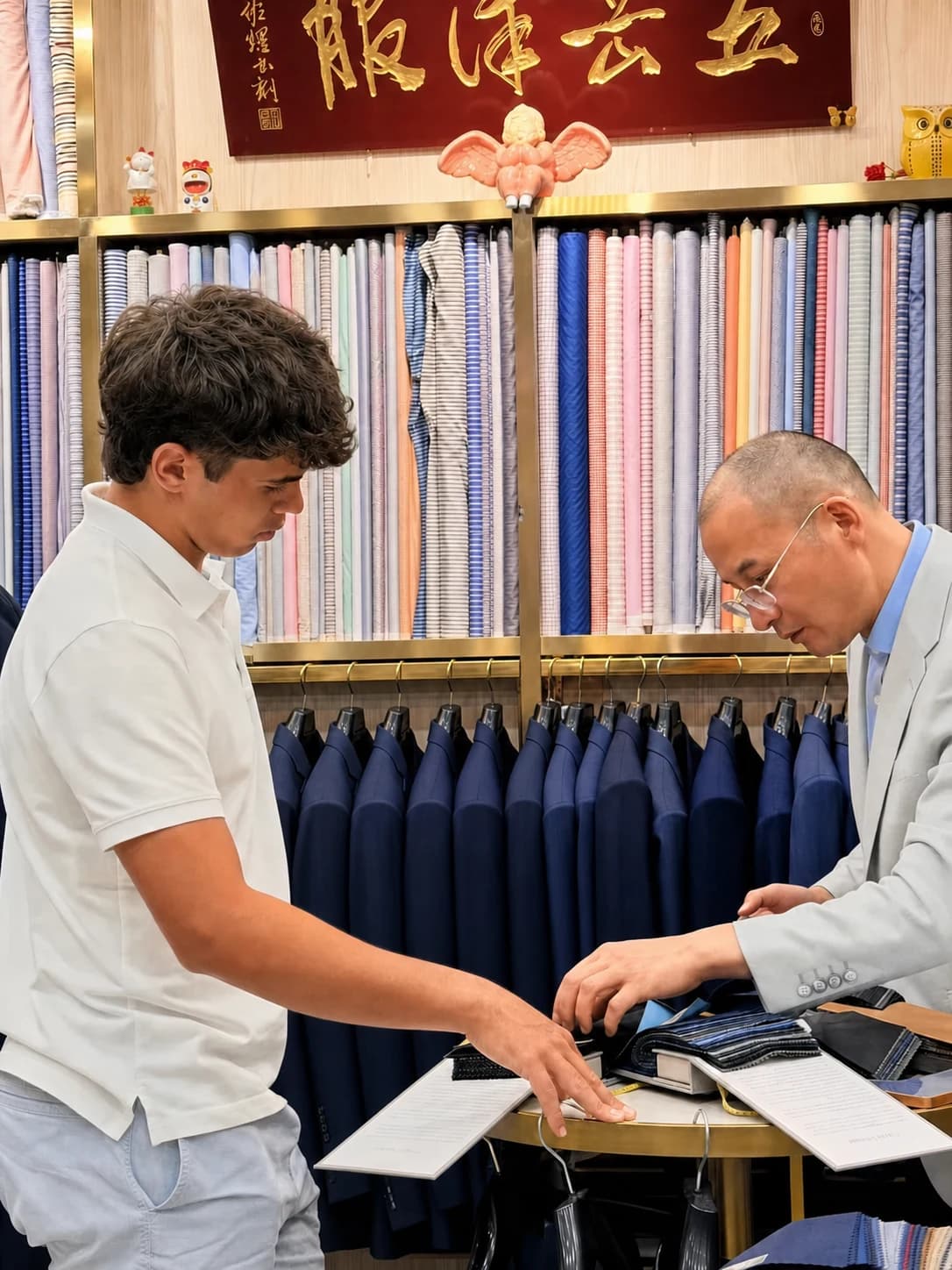
Appointment checklist
The five things that save the most time
- Schedule
- Arrival, departure, event date, and times you can return for fittings.
- References
- One main image and up to two detail images, each with a clear reason.
- Wardrobe
- The shoes, shirt, or similar garment that affects fit and proportion.
- Brief
- Use, climate, budget range, and the ready-to-wear problems you want solved.
Need a fitting plan?
Share your travel dates and garment idea before you visit.
The short checklist
For a productive Shanghai tailor appointment, bring five kinds of information: your real travel schedule, a small number of useful reference images, the shoes and shirt that affect the outfit, a budget range, and notes on what normally fits badly. You do not need to arrive knowing lapel measurements or tailoring terminology.
The purpose of preparation is not to design the suit before meeting the tailor. It is to remove avoidable guesswork. A clear brief leaves more time for fabric, proportion, and fit, which are the decisions that benefit from being in the room.
- Shanghai arrival and departure dates.
- The date and type of event, if there is one.
- One main reference image and up to two detail images.
- The shoes and shirt you expect to wear with the suit.
- Your budget range and must-have priorities.
- Notes on recurring ready-to-wear fit problems.
- A collection, hotel handoff, or shipping preference.
1. Bring the dates that control the order
Your flight calendar matters more than a vague request for a fast suit. Share when you arrive, when you leave, which parts of the trip are already occupied, and when the garment will first be worn. A seven-day stay with only one free afternoon is not the same as seven days available for fittings.
If you are travelling for a wedding or conference, separate the Shanghai departure date from the event date. Shipping may be reasonable when the event is weeks away. It may be unacceptable when the suit is needed the morning after your flight lands.
- Flight or train arrival in Shanghai.
- Departure from Shanghai.
- Times available for a first and second fitting.
- Event date and destination.
- Hotel location if a hotel fitting may be needed.
2. Use reference photos as instructions, not decoration
Choose one image that shows the overall direction: formal or relaxed, single- or double-breasted, close or easy fit, narrow or full trouser. Add one or two images only when they explain a detail that is not visible in the main photograph.
For each image, say what you like. 'This lapel width' or 'this higher trouser rise' is useful. A folder of unrelated celebrity suits is not. It can combine a cropped jacket, wide trousers, formal cloth, and casual pockets into a garment nobody actually intended.
- One full-length or clear front view for the silhouette.
- One detail image for lapels, pockets, cuffs, or trousers.
- A note about what you would change from the photograph.
- The occasion and climate in which you will wear the garment.
Turn reference photos into a useful tailoring brief
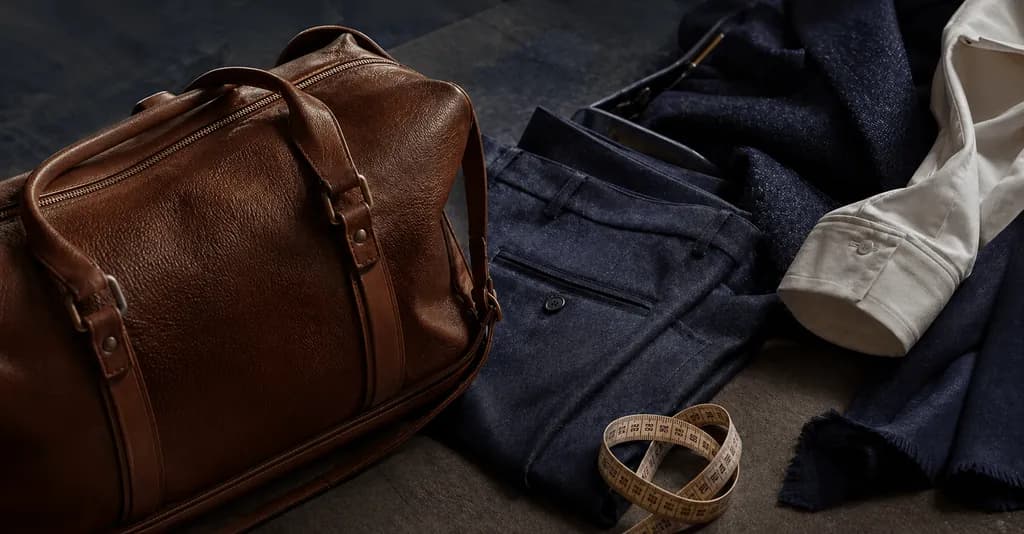
3. Bring the shoes and shirt when they affect fit
Trouser length cannot be judged properly without understanding the shoe. A loafer, dress Oxford, boot, and trainer have different shapes and visual weight. Bring the actual pair when possible. If that is impractical, bring a photograph and explain the heel and sole.
For a business or wedding suit, bring the shirt you expect to wear, especially if its collar height, sleeve length, or fit is unusual. The relationship between jacket sleeve and shirt cuff should be deliberate. For a tuxedo, formal shirt details also affect the lapel, front, and accessories.
Wear simple clothing that is easy to change out of. Thick knitwear, heavily padded clothing, or several layers make the appointment slower and can hide the natural shoulder and waist line.
4. Bring a garment that teaches something
An existing jacket, shirt, or pair of trousers can be helpful when it has a clear lesson. Bring a jacket whose length you like, trousers with a comfortable rise, or a shirt that shows the sleeve problem you always encounter. The tailor can compare the garment with your body and ask why it works or fails.
Do not bring an old suit and simply ask for an exact copy. Bodies change, cloth behaves differently, and the old garment may contain compromises you no longer notice. Use it as evidence, not as the only specification.
5. Explain the job before choosing the cloth
Tell the tailor where the suit will be worn, how often, and for how many hours at a time. A summer conference suit in Singapore needs different cloth from a winter wedding suit in London. A frequent travel suit should recover after sitting and packing. A dinner suit should respect evening formality.
This information makes fabric advice concrete. It helps rule out cloth that is too delicate, too warm, too casual, or too difficult to maintain. It also prevents the appointment from becoming a contest to choose the softest or most expensive fabric book.
- Business, wedding, black tie, interview, or general wardrobe use.
- City and season where the garment will be worn.
- Frequency of wear and amount of travel.
- Preference for structure, softness, breathability, or wrinkle recovery.
- Whether the suit must work with items already in your wardrobe.
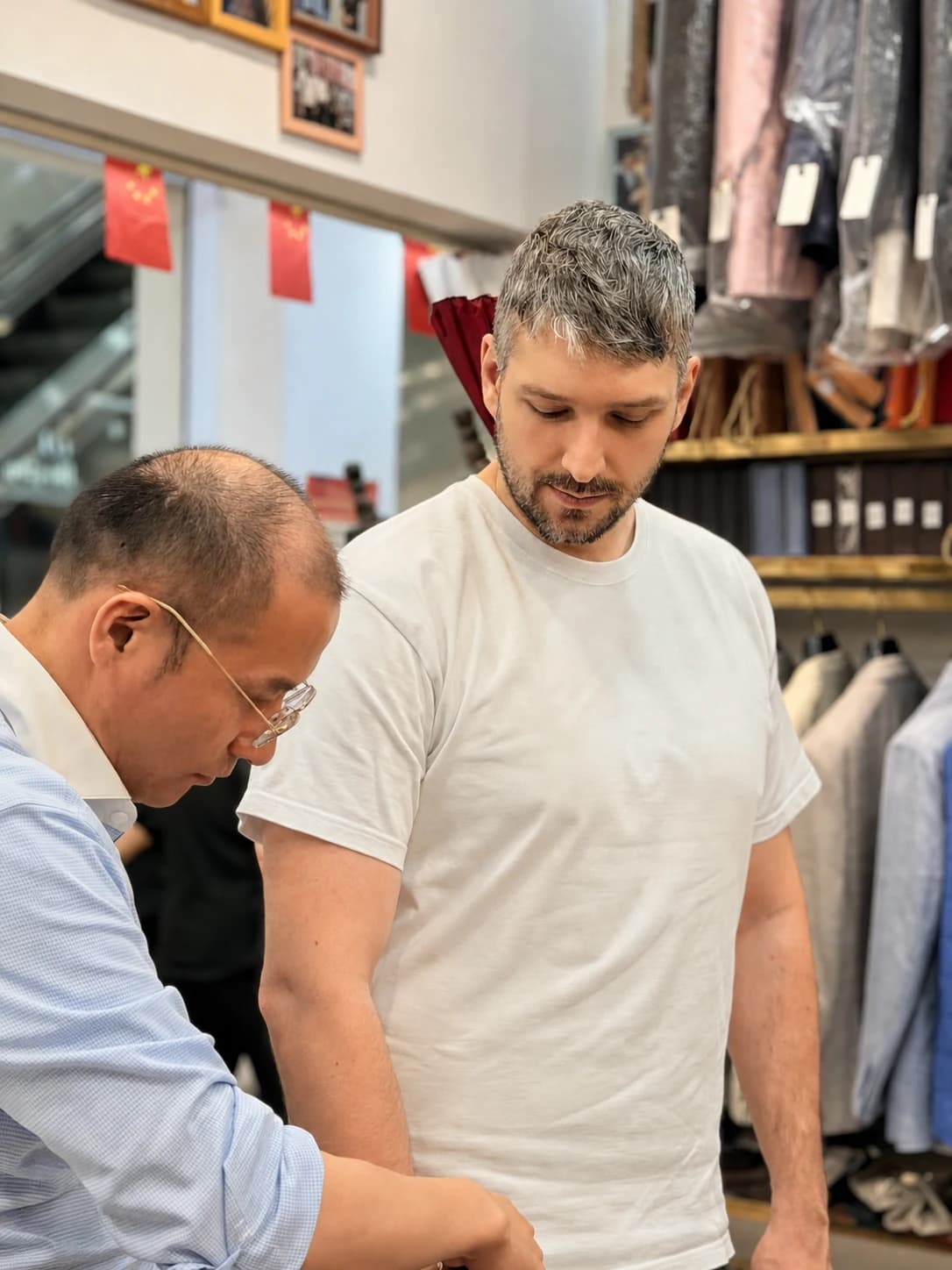
6. Describe fit problems in ordinary language
You do not need to diagnose your own posture. Explain what happens in clothes you already own: collars stand away from the neck, sleeves twist, jacket fronts pull, waistbands slide, thighs feel tight when seated, or trouser hems never look right with your shoes.
Also mention practical movement. If you spend long days seated, present on stage, drive frequently, or carry a shoulder bag, say so. The tailor can observe your natural stance and decide which measurements and posture notes matter. Trying to stand unnaturally straight during measurement is less helpful than showing how you normally hold yourself.
7. Give a budget range and rank your priorities
A budget range helps the tailor show relevant cloth and construction instead of asking you to compare everything in the shop. It is not an invitation to hide the price. Ask for an itemised quote before paying a deposit and confirm what changes the total.
Rank what matters most. You may care about a hard event date, a durable travel cloth, a specific formal detail, or keeping enough budget for shirts and an extra trouser. When every feature is described as essential, it becomes difficult to make a sensible trade-off.
Review Shanghai suit price factors before visitingSee what to ask before paying a deposit
What you do not need to bring
You do not need a complete set of self-measurements for an in-person order. Previous measurements can provide context, but the tailor should measure you and observe posture directly. You also do not need to choose every lining, button, pocket, and stitch before the appointment.
Avoid carrying dozens of fabric screenshots taken under unknown lighting. Color on a phone is unreliable, and cloth cannot be judged properly without seeing its texture, weight, and drape. A small, clear brief is more useful than a large collection of inspiration.
Before leaving the appointment
Preparation should continue into the written order. Before you leave, check the garment type, fabric, main style choices, quote, deposit, fitting date, expected completion window, and delivery method. Ask which decisions are still open and which have already been approved.
Save the shop contact and confirm how schedule changes will be handled. If the garment may be shipped, check the recipient name, address, postcode, phone number, destination, and whether shipping is quoted separately. This takes a few minutes and prevents a rushed conversation on departure day.
How to prepare for a Wuyue appointment
Before visiting Wuyue, send your Shanghai dates, garment type, intended use, and one or two reference images. If you already know your hotel and available fitting times, include them. The shop can then confirm whether an in-store appointment, hotel fitting, collection, or shipping plan is realistic.
Wuyue is at Shop 256 on the second floor of South Bund Fabric Market, No. 399 Lujiabang Road, Huangpu District. Bringing the right information does not commit you to an order. It gives both sides enough detail to decide whether the order fits the trip.
See the full consultation and fitting processPlan your Shanghai tailor visit
Sources
- Shanghai Municipal Government - Where visitors get clothes madeOfficial visitor information on South Bund tailoring, production planning, and delivery for international customers.
- Wuyue Bespoke - How Tailoring WorksWuyue's current consultation, measurement, fabric, fitting, and delivery process.
- Gentleman's Gazette - How a Suit Should FitIndependent reference for jacket, trouser, shirt, and movement-related fit checks.
Plan your visit